Our Quality Approach
Quality Silage Begins Long Before It Reaches the Farm
Producing useful silage requires attention throughout the journey — from crop condition and harvesting to chopping, preservation and handling. At Al Hamad Silage, we focus on a practical process designed around livestock feed quality and farm usability.
The Journey
From the Field to Your Farm
Silage quality is affected by multiple factors. There is no single stage that can compensate for poor handling throughout the rest of the process. That is why a disciplined approach from crop selection through storage preparation is important.
Crop Selection
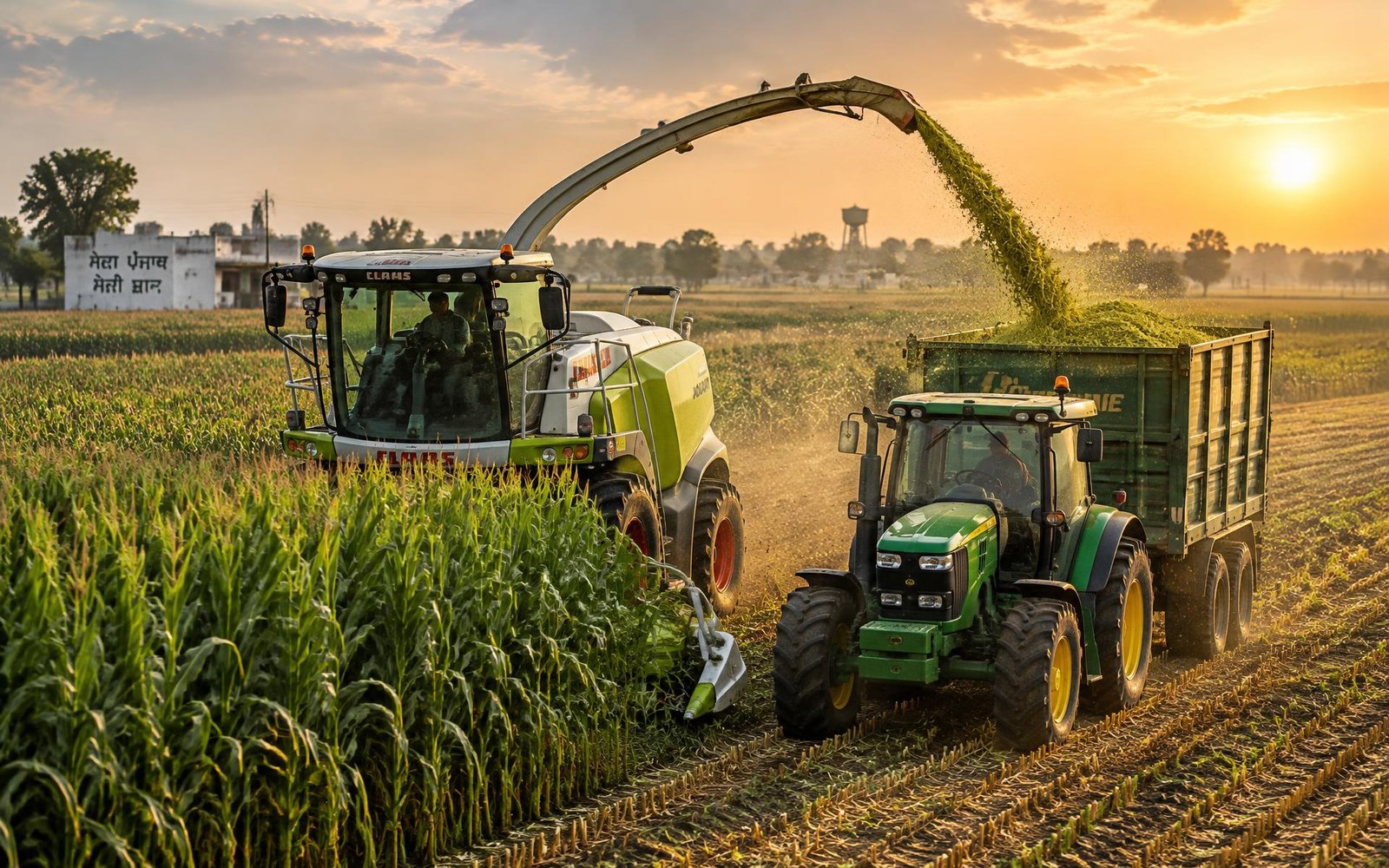
Silage production begins with identifying corn suitable for harvesting and preservation. Crop maturity, plant condition and other practical factors are considered before harvesting.
Harvest Planning
Harvest timing matters because the crop needs to be suitable for chopping and preservation. The objective is to process material at an appropriate stage rather than simply harvesting according to convenience.
Chopping
The harvested crop is chopped to create material that can be handled, packed and fed efficiently. Uniform preparation also supports more consistent handling.
Packing
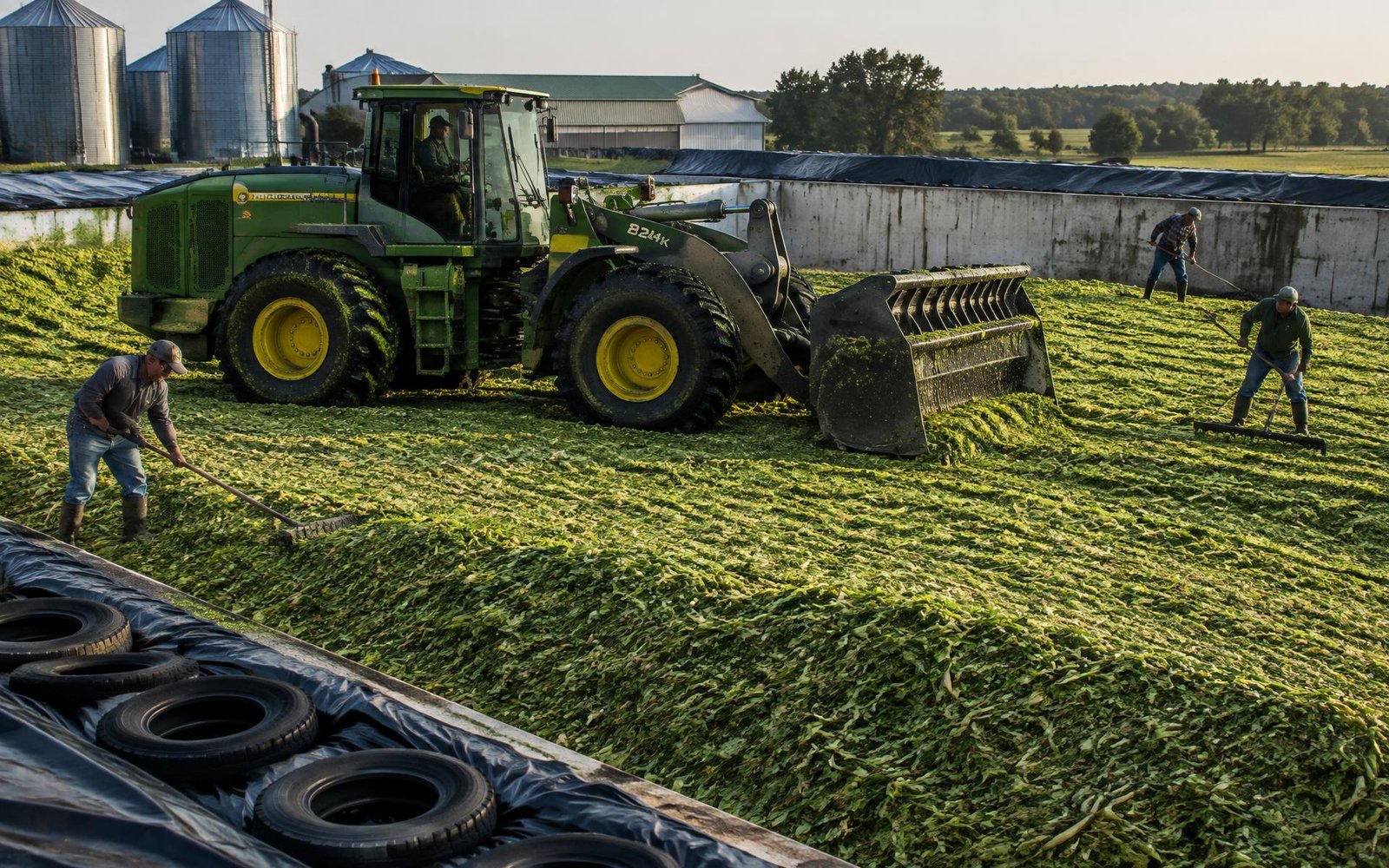
Once chopped, silage material needs proper packing. Reducing trapped air supports the preservation environment required for fermentation.
Fermentation & Preservation
Silage preservation takes place under low-oxygen conditions. Proper management during this stage helps protect the stored forage.
Storage & Handling
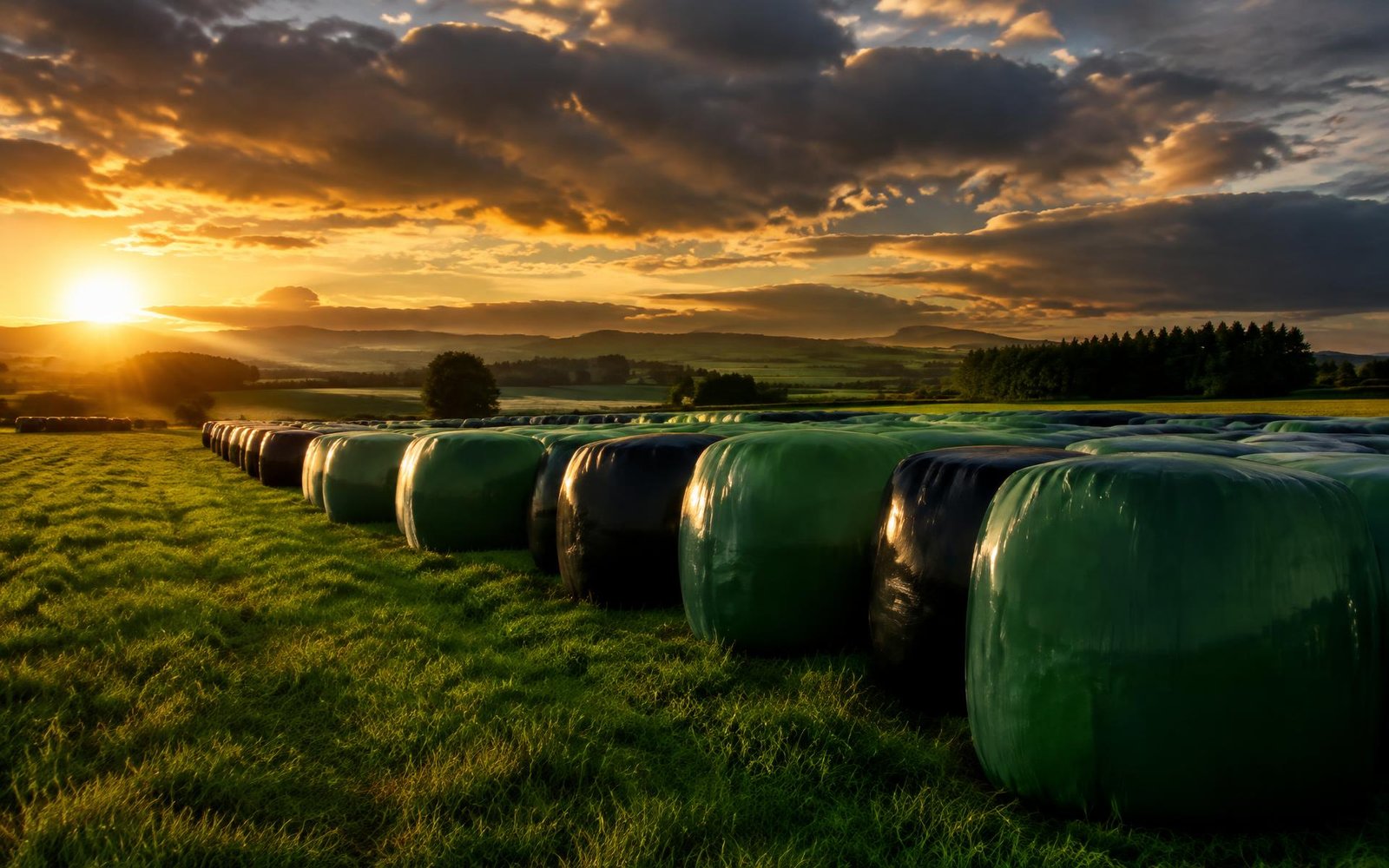
Once silage is ready for use, correct storage and handling continue to matter. Exposure to unnecessary air, water or contamination should be minimised.
Farm Supply
Customers can contact Al Hamad Silage to discuss quantity, current availability and delivery arrangements.
Our Standards
Our Quality Principles
Quality agricultural feed is the result of attention to detail. Our approach focuses on:
- Suitable raw material
- Timely preparation
- Clean handling
- Effective packing
- Responsible storage
- Clear customer communication
- Practical farm usability
Farm Guidance
Getting Better Results From Stored Silage
After receiving silage, correct handling at the farm is important.
Farmers should protect silage from unnecessary air and water exposure and maintain clean feeding practices.
Once a storage pack or feeding face is opened, material should be managed properly to reduce avoidable spoilage.
For feeding quantities and ration formulation, farmers should consider the overall nutritional requirements of their animals and consult an appropriate livestock nutrition professional when needed.
We're Here to Help
Questions About Silage Quality or Storage?
Speak directly with Al Hamad Silage and discuss your requirements before ordering.